
Hospitals and care hospitals
From admission to discharge, in a single flow.
Beds in real time, ward clinical records, operating theatres, the hospital discharge record (SDO) and discharge letters sent to the Electronic Health Record (FSE). For accredited care hospitals (case di cura), private hospitals and rehabilitation facilities.
The patient pathway
Every step recorded once. Used by everyone.
What the admissions office enters at check-in reaches the ward, the operating theatre, the SDO and the invoice to the local health authority (ASL). Nobody copies anything out, nobody hunts for paperwork.
- Check-inAdmissionPlanned admissions by priority class, transfers from other hospitals, consent forms signed on a tablet.
- Bed managementBedThe bed map of every ward, with expected discharges, cleaning and blocked beds.
- Inpatient stayCare and theatreClinical notes, vital signs with NEWS2, medication, tests, theatre schedule and WHO checklist.
- DischargeSDO and letterICD-9-CM coding, DRG, signed letter sent to the FSE, SDO in the regional data flow.
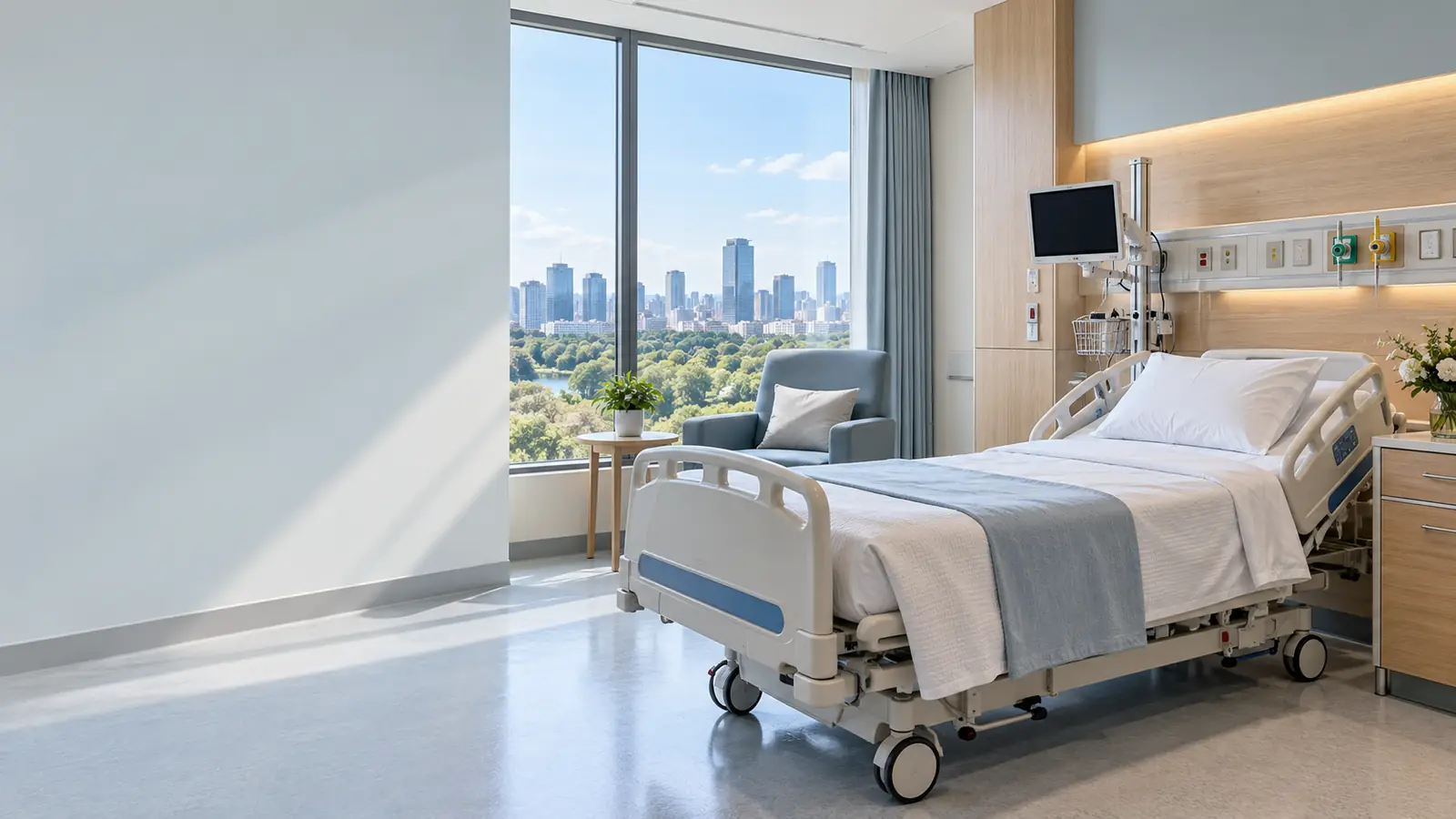
Beds
The right bed, before the patient arrives.
One map for every ward: who is in, who leaves today, which beds are being cleaned. The admissions office assigns the bed, the ward sees it straight away, the cleaning team gets the request.
- Waiting list by priority class A, B, C, D
- Transfers between wards in one move
- Cleaning and blocked beds tracked
Ward records
Deterioration shows up sooner.
Vital signs recorded at the bedside, the NEWS2 early warning score calculated at once and thresholds that alert the doctor on call. Medical and nursing notes, medication, tests and reports in the same record.
- NEWS2 early warning with response levels
- Medication prescribed and given at the bedside
- Test requests and reports in the record
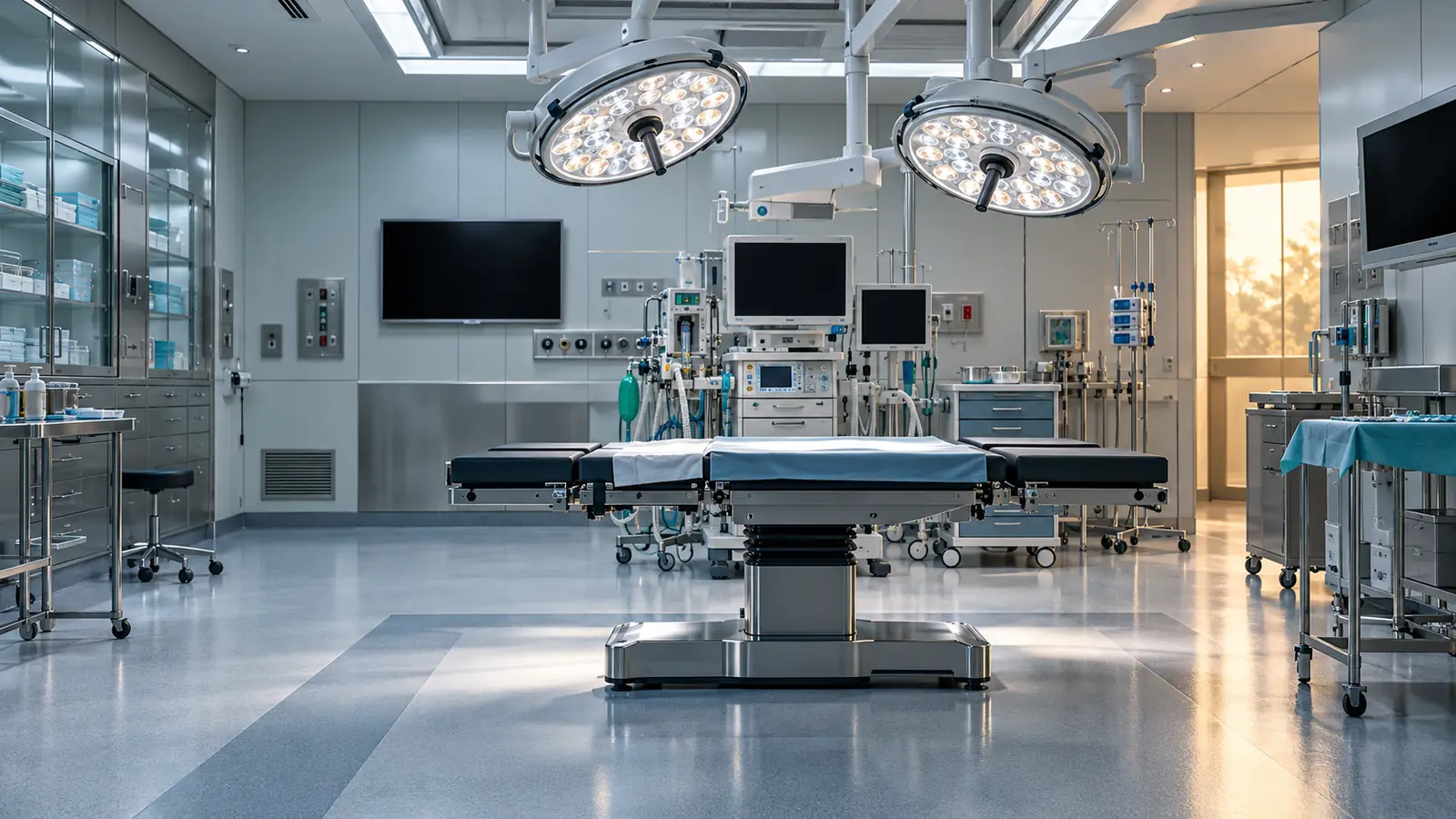
Operating theatres
Every operation, with its checklist.
The theatre schedule is visible in real time, from the patient on the ward to recovery. The WHO Surgical Safety Checklist is completed at three moments and kept on record.
SDO and output
The SDO writes itself while you treat.
Diagnoses and procedures coded in ICD-9-CM, DRG calculated, quality checks before the regional data flow is sent, value of output by ward. And the discharge letter reaches the FSE.
Try it in the demo
Active modules
What switches on for a hospital.
The dark modules are the ones specific to hospital work; the others are the platform's common base, the same as for the group's other facilities.
- Admissions and bedscheck-in, transfers, waiting list
- Ward recordsnotes, vital signs, NEWS2, tests
- Bedside medicationprescribing and administration
- Operating theatresschedule, register, WHO checklist
- SDO and DRGcoding, checks, regional data flow
- Electronic Health Recorddischarge letters and reports
- Calls and alarmsfrom ward devices
- Invoicing and paymentsASL via SdI, self-pay, insurers
- Staff and rotasby ward and role
- Pharmacy and storesward stock, expiry dates
- Accountingcost centres by ward
- Patient and family appvisits, documents, letter
Interactive demo
Step inside Casa di cura San Luca.
120 beds across four wards, three operating theatres, fictional patients already admitted. Switch roles and follow the guided tour.
- 1Assign a bed
- 2Calculate NEWS2
- 3Complete the checklist
- 4Discharge with an SDO
- 5Check the output
Other examples of use
The same software, configured for other facilities.
Patient and resident records, invoicing, Sistema TS, accounting, staff and security are shared. On top of them you switch on the modules for your line of work: for groups running different kinds of facility, it is a single system.



Contact
Tell us about your facility.
What kind of facility it is, how many beds or professionals, which software you use today, what takes up most of your time. We reply within one working day.
- [email protected]
- Interactive demos
- Nixsa Studio OÜ · software house